

Tag: IT

This tag is connected to all the information technology assets

  • Artius is the Best Information Technology Architect in Veteran Services

    Artius is the Best Information Technology Architect in Veteran Services

    At Artius, we believe in giving back to those who have given so much to our country. That’s why we’ve partnered with VETS365. It is a non-profit organization dedicated to empowering service-disabled veterans. We offer pro-bono consulting services to service-disabled veteran-led start-ups and organizations.

    Today, we’re proud to share our latest success story. Through our collaboration with VETS365, we helped Operation Shield, a new service-disabled veteran-led start-up, save $5,000 in IT services.

    Here’s what we achieved:

    • Provisioned Virtual Servers: Delivered secure, scalable, and reliable virtual server solutions tailored to the needs of Operation Shield.
    • Marketing Consulting: Crafted a strategic marketing approach to elevate their visibility and attract support.
    • Domain Name Server Management: Streamlined their DNS setup to ensure smooth and professional online operations.

    This collaboration highlights our commitment to supporting service-disabled veterans on their journey to entrepreneurial success.


    Why Hire Artius for Your Business Development Needs

    Whether you’re a veteran-led business or an ambitious entrepreneur, Artius has the skill to guide you. If you’re looking to scale your operations, we can help. Our services include IT provisioning and marketing strategies. We also offer business growth consulting. We’re here to help you take your organization to the next level.

    • Tailored Solutions: We offer customized strategies that align with your unique business needs.
    • Cost-Effective Services: Our efficient processes save you time and money.
    • Small Business Focus: We’re passionate about empowering small businesses to succeed.

    Service-Disabled Veterans: Join the VETS365 Business Development Program

    Are you a service-disabled veteran looking to start or grow your business? As part of our partnership with VETS365, Artius is proud to offer free business development coaching exclusively for service-disabled veterans.

    Through this program, we offer:

    • Strategic planning and goal setting
    • Marketing and brand development
    • IT infrastructure and operational setup

    This program is designed to help you navigate the challenges of entrepreneurship and unlock your full potential.


    Get in Touch

    Are you ready to elevate your business? Whether you’re a veteran entrepreneur or a business leader looking for innovative solutions, Artius is here for you.

    Contact us today to schedule a consultation and explore how we can support your business development needs. Together, we’ll create success stories that inspire.

  • Why Netflix Fight Fans Were KO’d By Buffering

    Why Netflix Fight Fans Were KO’d By Buffering

    Imagine this: you’re all set for the big fight—Jake Paul vs. Mike Tyson. Snacks? Check. Drinks? Check. Netflix loaded and ready? Uh-oh… Instead of seeing the opening bell, you’re staring at a spinning circle. Fight night has turned into frustration night. What went wrong?

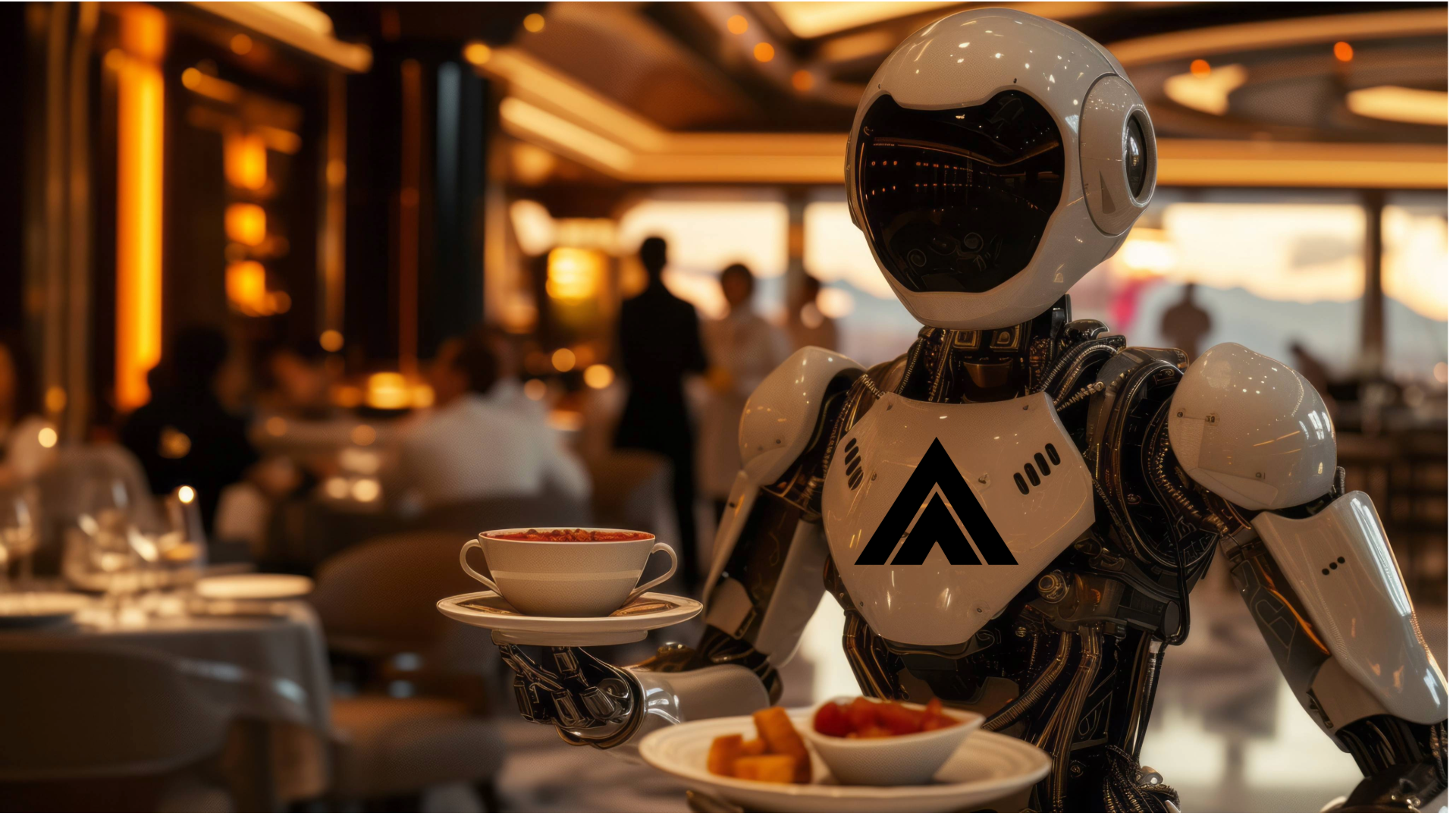
    The answer lies in how traffic to Netflix’s servers was managed—or rather, mismanaged. Enter the unsung hero of the internet, the Server Load Balancer. To understand its importance, let’s compare servers to waiters in a restaurant. Stick with me—it’ll all make sense soon!


    Servers and Waiters: A Perfect Metaphor

    Think of a server as a waiter or waitress in a busy restaurant. Their job? To take your requests (a webpage, a stream, or a fight night broadcast) and deliver exactly what you asked for. Simple, right? But what happens when there’s only one overworked waiter serving the whole restaurant?

    Here’s what could go wrong:

    1. Overwhelmed Staff: A waiter juggling too many tables will eventually mess up orders or drop plates. Similarly, a server can’t handle too much traffic without crashing.
    2. Slow Service: Diners (you, the users) are left waiting—and waiting—for their turn. In the digital world, this means long buffering times or outright errors.
    3. Frustrated Customers: Whether you’re waiting for food or fight night action, delays lead to one thing: unhappy customers.

    Enter the Server Load Balancer (a.k.a. The Manager)

    Now, let’s imagine that this restaurant has a stellar manager—a Server Load Balancer. Their job is to make sure no single waiter (or server) is overwhelmed. Here’s how they work their magic:

    • Distributing Tables (Traffic): They assign customers to available waiters (servers) so that everyone gets served quickly.
    • Backup Plans: If one waiter is overloaded or spills a tray, they step in to redirect orders to someone else.
    • Improving Service Quality: Balanced workloads mean happy diners (and happy users).

    In tech terms, a Server Load Balancer spreads incoming requests (like streaming Jake Paul vs. Mike Tyson) across multiple servers, ensuring no one server is overwhelmed. It’s the difference between smooth service and a chaotic dinner rush.


    What Went Wrong on Fight Night?

    Now, back to the infamous fight night. Millions of fans logged into Netflix at the same time, creating a virtual stampede. Without a robust load balancing policy, Netflix’s servers became like that lone, frazzled waiter with too many tables:

    • Traffic Overload: Servers will not handle the surge of requests.
    • No Backup: Without effective traffic rerouting, crashes were inevitable.
    • Frustrated Fans: Instead of cheering for knockouts, viewers were refreshing their screens, staring at error messages, and venting on Twitter.

    Had Netflix used a strong load balancing strategy, it would have been a different story:

    1. Even Traffic Distribution: The load balancer would’ve ensured no single server was swamped.
    2. Geographic Smarts: Fans from different regions would’ve been routed to local servers for faster response times.
    3. Failover Systems: If one server went down, traffic would’ve seamlessly shifted to another, ensuring uninterrupted streaming.

    Why You Need a Load Balancer (Even if You’re Not Netflix)

    You might not be hosting a global fight night. But, if your business relies on a smooth digital experience, you need the equivalent of a full waitstaff. A Server Load Balancer can help:

    • E-commerce Stores: Avoid Black Friday meltdowns when everyone hits “Add to Cart” at the same time.
    • Gaming Platforms: Keep gamers in the action, not lagging out during crucial boss fights.
    • Healthcare Apps: Guarantee patients get prompt access to critical services.

    Load balancers distribute the workload evenly. They guarantee no server (or waiter) has to carry the weight of the world on its shoulders.


    Final Thoughts: Keeping the Internet Chaos-Free

    A fight night like Jake Paul vs. Mike Tyson is the internet equivalent of a packed restaurant during dinner rush. Without a Server Load Balancer to act as the manager, the whole experience can collapse into chaos.

    The next time you stream a flawless video, give a nod to the digital “restaurant managers” behind the scenes. When you breeze through an online checkout, think of their efforts as well. If your business needs help with traffic balance, Atrius ensures your servers run smoothly. It’s like having a well-managed team of waiters.

    Let’s make sure your servers never drop the tray—especially when the world is watching.

  • Why You Should Regularly Update Your Application Server

    Why You Should Regularly Update Your Application Server

    Imagine this: Your website application server is like a dependable waiter or waitress at your favorite diner. It is sturdy when it comes to carrying your order. It is loyal when it comes to remembering your favorite meals. It’s always there when you show up to eat until one day, it doesn’t. Why? Because it needs a tune-up. Just like your favorite server, you must keep it updated. If not, it will take a day off due to stress. It might even completely break down.

    But wait…what’s an application server, anyway? If you’re unfamiliar with this term, consider it as the server that assists your website visitors. It keeps your website and apps running smoothly. It’s the behind-the-scenes hero. It ensures everything works as it should. When you go to a website and click around, the application server loads pages. It sends data. It keeps the whole experience snappy.

    So, Why Should You Update It?

    1. Stay Secure Like a Ninja
      Outdated servers are like leaving your front door wide open in a zombie movie. It’s just a matter of time before something gets in. Regular updates patch up security gaps so you don’t have to worry about unwanted “guests” breaking in. It’s your server’s way of putting on its ninja suit and going stealth mode against digital bad guys.
    2. Get More Speed Without the Price of a Sports Car
      Application servers with fresh updates run faster, plain and simple. They get access to the latest technology, better resource management, and improved processing power. Think of it as swapping out your old clunker for a zippier car without the sticker shock.
    3. Bug Fixes – Servers Have Bad Days Too
      Servers can be quirky. Imagine how that one uncle has to jiggle the TV remote just right to get it to work. Updates fix these “bugs” that can slow down or even crash your site. Regular updates help smooth things out, so you’re not jiggling the remote every time someone visits your site.
    4. Your Server Will Thank You
      Servers, like people, can only take so much without proper care. Running regular updates helps keep your server healthier, minimizing wear and tear, and allowing it to execute its best longer. Give it a little TLC, and it’ll keep working hard for you without complaint.

    How Often Should You Run Updates?

    Just like your car needs an oil change every few thousand miles, your server benefits from regular check-ins. Make it a habit to update monthly if you’re handling a lot of traffic or sensitive data. Update quarterly if you’re keeping it light.

    Bottom Line: Keep That Application Server in Top Shape!

    It’s easy to overlook your server’s needs—it’s out of sight and mind most of the time. But remember, it’s the behind-the-scenes superstar of your online presence. Treat it well. Keep it updated. It will keep your site running like a dream and far away from a nightmare.

    [Placeholder for an image of a happy server giving a thumbs-up]


    By giving your application server the love it needs, you’re not just keeping things running. You’re giving your customers a smoother, faster, and safer experience. And really, who doesn’t want that?

    Stay tuned for more tips from Artius on keeping your digital presence top-notch!